Zero Waste Xoomba
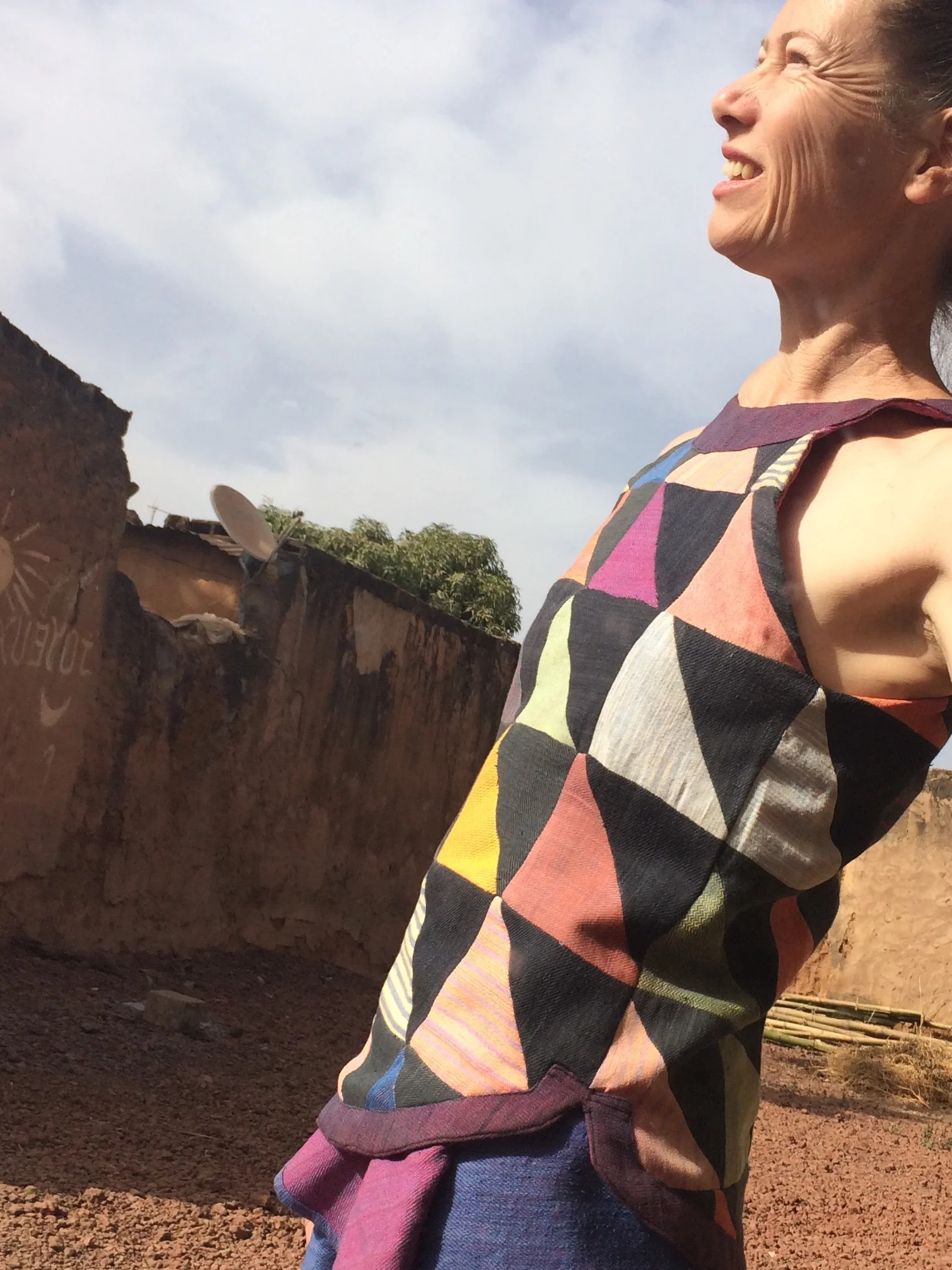
The scrap shirt is available while we have scraps! ($55- email or message to order in any size)

The scrap shirt is available while we have scraps! ($55- email or message to order in any size)

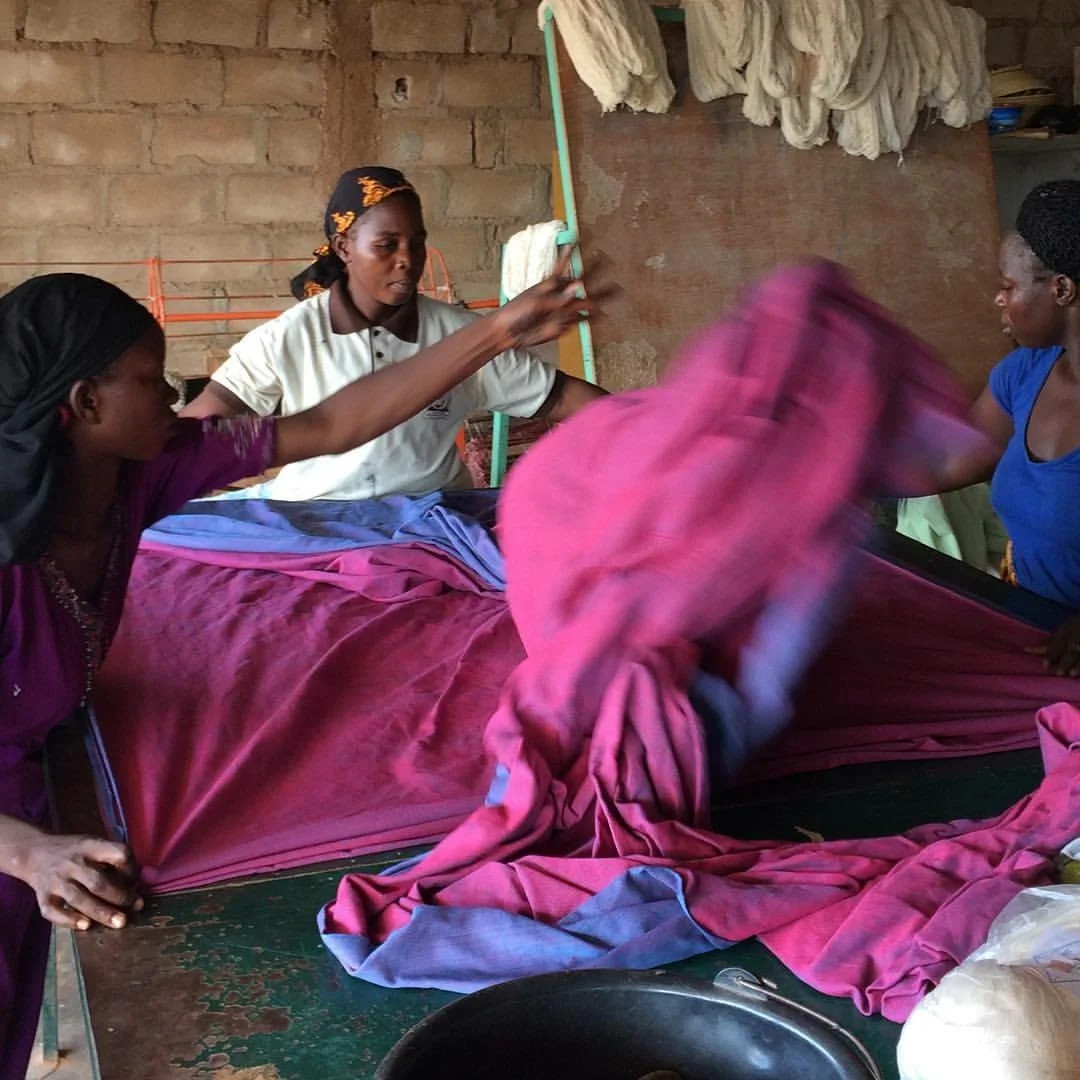
When you are a part of the process and see the hours of effort that go into every inch of our textiles from the sunny fields to the hand skein dyeing, to the rhythmic looming -  it seems unimaginable to waste a single scrap. So we don’t! We are always making our scraps into all sorts of useful and charming pieces.

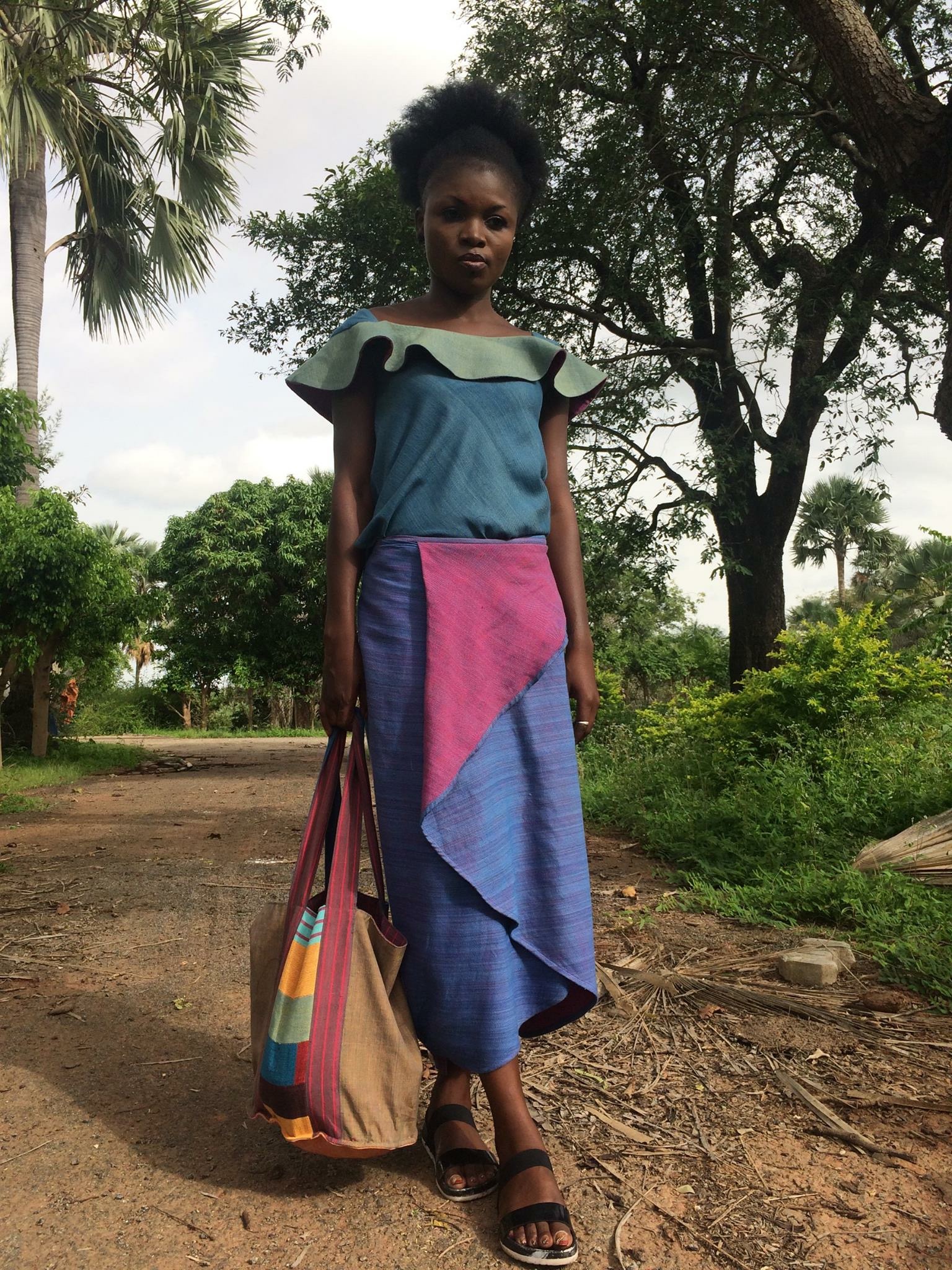
Scrap bags are made in all sorts of configurations  

Scrap bags are made in all sorts of configurations  

Eco-designers are tackling fashion pollution from many angles and one that is often proposed is to use waste, be it vintage clothing, refashioning the heaps of thrift, using larger factory textile waste- This is all good of course. Transforming this monumental production of waste, can help reduce land fills and stop flooding third world markets killing local tailor jobs. But depending on this waste can also justify it’s existence in the first place. In a perfect world, this source of waste is made with integrity. Xoomba envisions that perfect world of clothing made with the lowest possible impact on nature as and a positive impact on the people involved, no waste of materials, sourced in proximity to production, sold at affordable but not throw away prices - wouldn’t it be wonderful if this was the quality filling our thrift stores of the future?

Precious Xoomba scraps

Precious Xoomba scraps

To be made into so many things! 

Mai’s week’s work making cushions stuffed with our ever so soft, locally harvested kapok
Mai’s week’s work making cushions stuffed with our ever so soft, locally harvested kapok

IMG_0275.JPG
IMG_0274.JPG
Cotton Country

Going to the source -

This is the beginning of a story that might get very long- Christophe Kaboré, a documentarist/activist approached me to make a documentary of my work. I said it might be a bigger story than he thought but let’s start at the beginning

In the cotton field. . . 

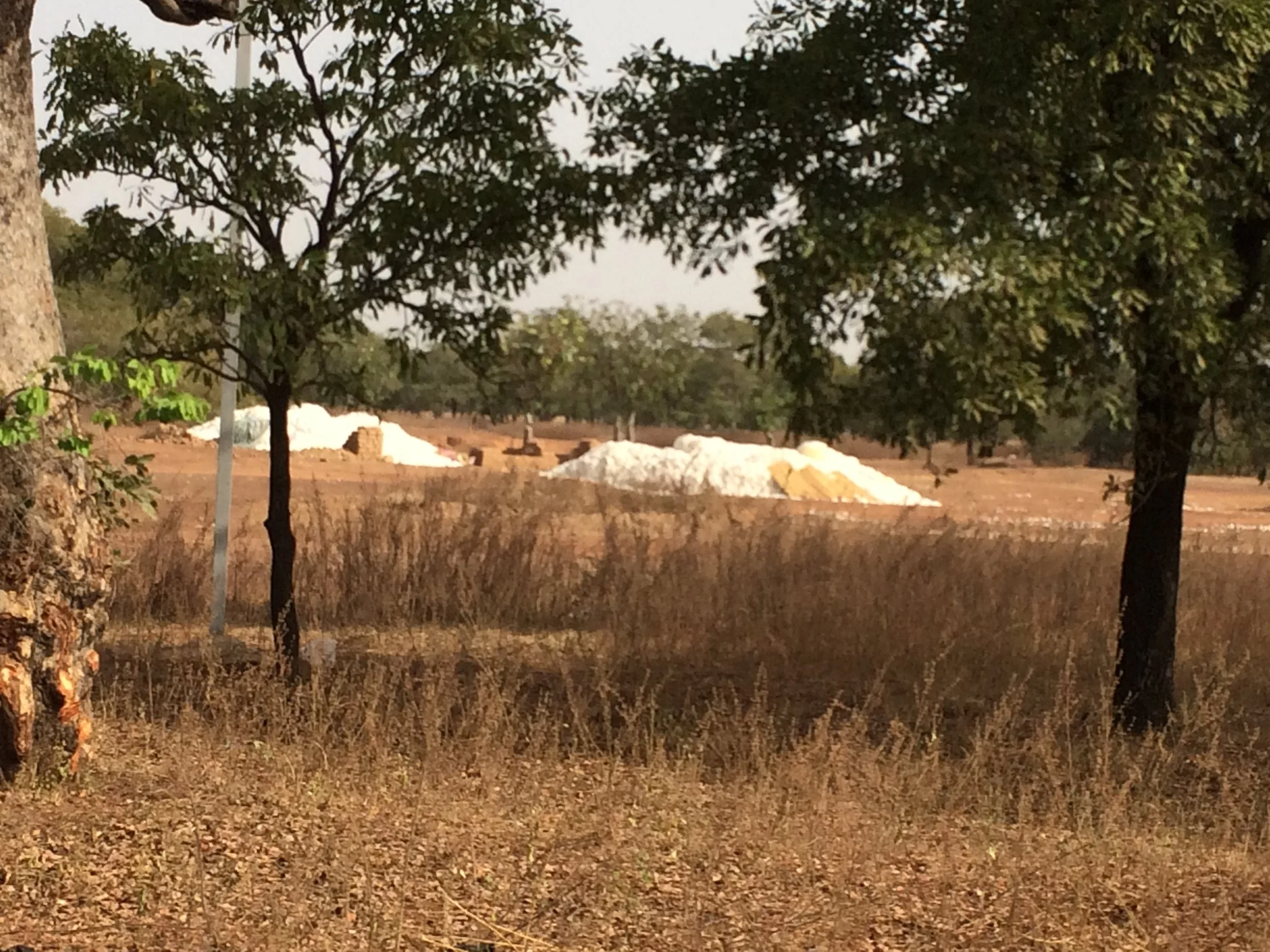
We hopped on a motorbike passing puffy piles of cotton along the road waiting to be weighed and trucked off to the gin. But that’s not the cotton we’re looking for-

Christophe mid journey at the Palaise, Pa, Burkina Faso

Christophe mid journey at the Palaise, Pa, Burkina Faso

IMG_0241.JPG

Fafo, our destination: a market village, a dozen kilometers off the tar road. 

We were generously hosted and fed by my friend’s parents. The day’s activity is making food. The girl in background is pouring the locally grown rice to separate it from the husks. Everything we eat comes from within walking distance of the village. Someone scrambled up a tree to collect leaves for the leaf sauce. The scrawny, boney fish were scooped out of the damn we passed and rice grown alongside it. The oil was prepared from Shea butter nuts locally harvested. The peanuts were yanked out the ground and grilled in the fire before our eyes. I can’t say it was the most delicious cuisine but it certainly seems to make strong, handsome people! 

The day’s water is fetched from the shared well by bike. . .

or by head. . .

Far away from so much and yet thoroughly infiltrated by layers of plastic. 

We drink some water from plastic packages, a little cautious of the local well water. Christophe, without a second thought, tosses his water packet off to waft down on the years of accumulated plastic. I sheepishly squish mine down into my bag. But what will I do with it? Keep it as a souvenir? Burn it into green flames and send it’s fumes into the air? 

On the way to the organic cotton field.

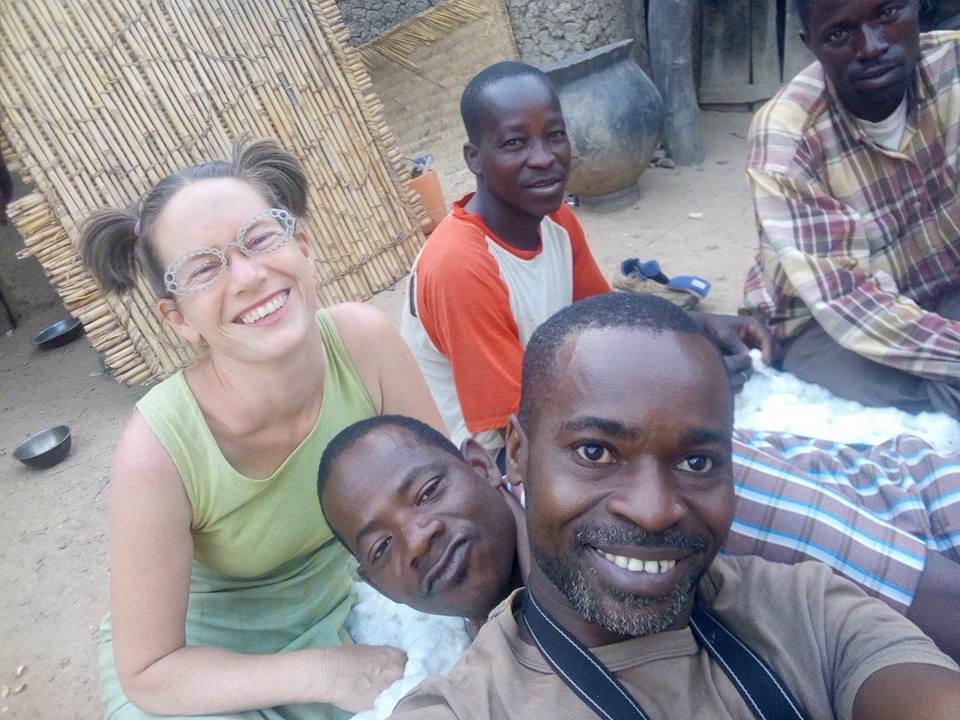
And here we are plopped in a pile of organic cotton after a day discussing and filming. 

I’m so charmed by the eloquence of these farmers as they explain their reasoning and observation after ten years of organic cotton farming, seeing nature respond to their efforts. Sadly, only one percent of Burkina’s cotton is organic. The rest is a…

I’m so charmed by the eloquence of these farmers as they explain their reasoning and observation after ten years of organic cotton farming, seeing nature respond to their efforts. Sadly, only one percent of Burkina’s cotton is organic. The rest is a natural genocide.  

I’m not sure if others will find this material quite so riveting but our survival on earth comes down to the techniques we employ to coordinate with our environment and it’s a pretty dry and gritty operation.  


The revolution is in the technical details! 

Funeral/life celebration

This is just the warmup. We danced to the beat of the Balafons orchestra till four in the morning.  “If she dies old, we dance”.

The night of my arrival in Bolomakoté, my neighbor passed away. Since then my courtyard has become the women’s central command, full of cauldrons of rice and sauce. 


FullSizeRender.jpg
IMG_0157.JPG

Cooking continues into the night while the Christian ceremony continues nextdoor, with sermons and singing.

IMG_0154.JPG

Riz Gras ready for service

IMG_0165.JPG

We lay the sleeping children in my room before the dancing begins

FullSizeRender.jpg

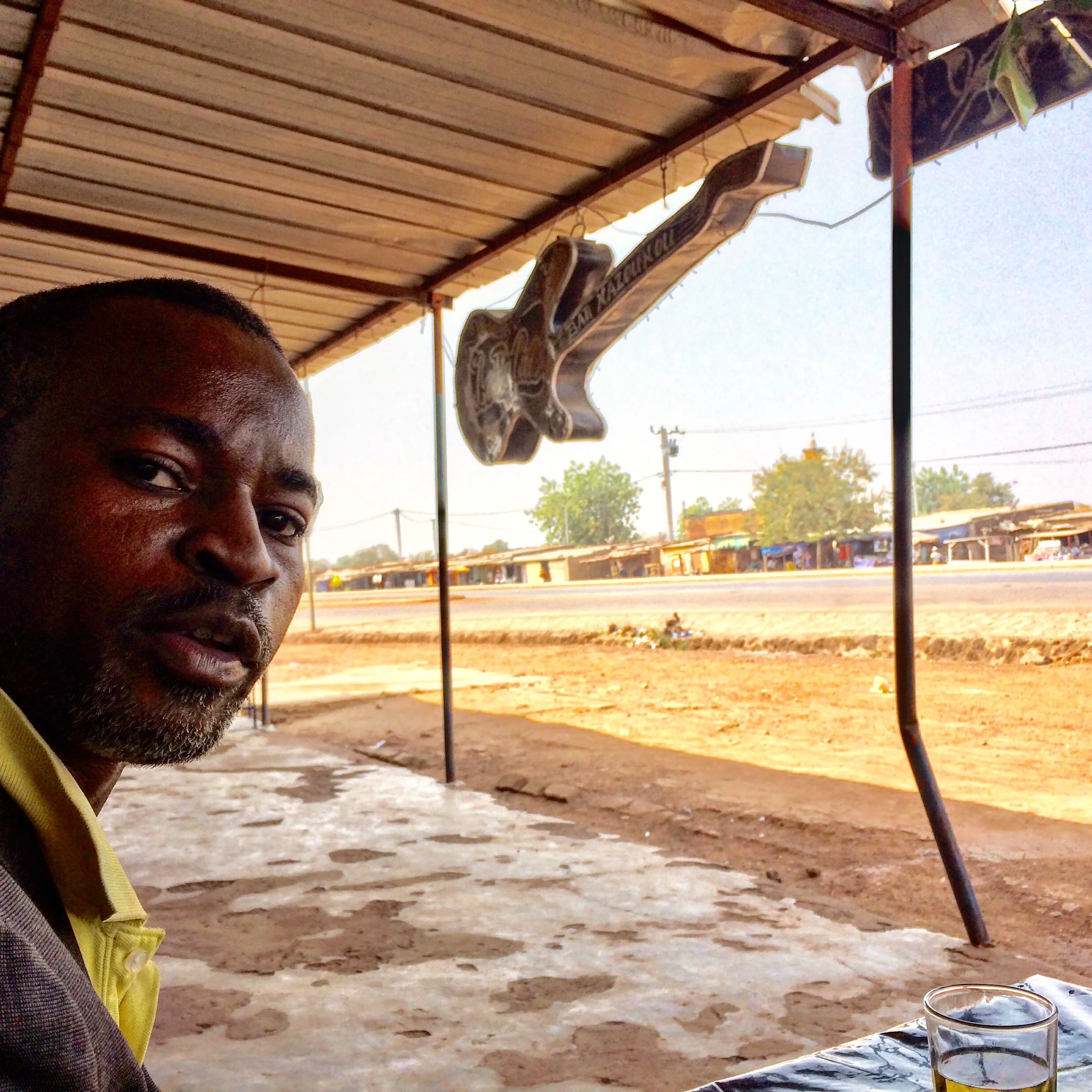
View from my cafe kiosk this morning of the coffin on its way to the cemetery, followed by a parade of people by foot and every other mode of transport.


Needless to say, getting work done these last few days has not been easy!

Looming in the near future!

We are excitedly awaiting a new batch of organic cotton yarns so we can get back weaving again.  

IMG_0012.JPG

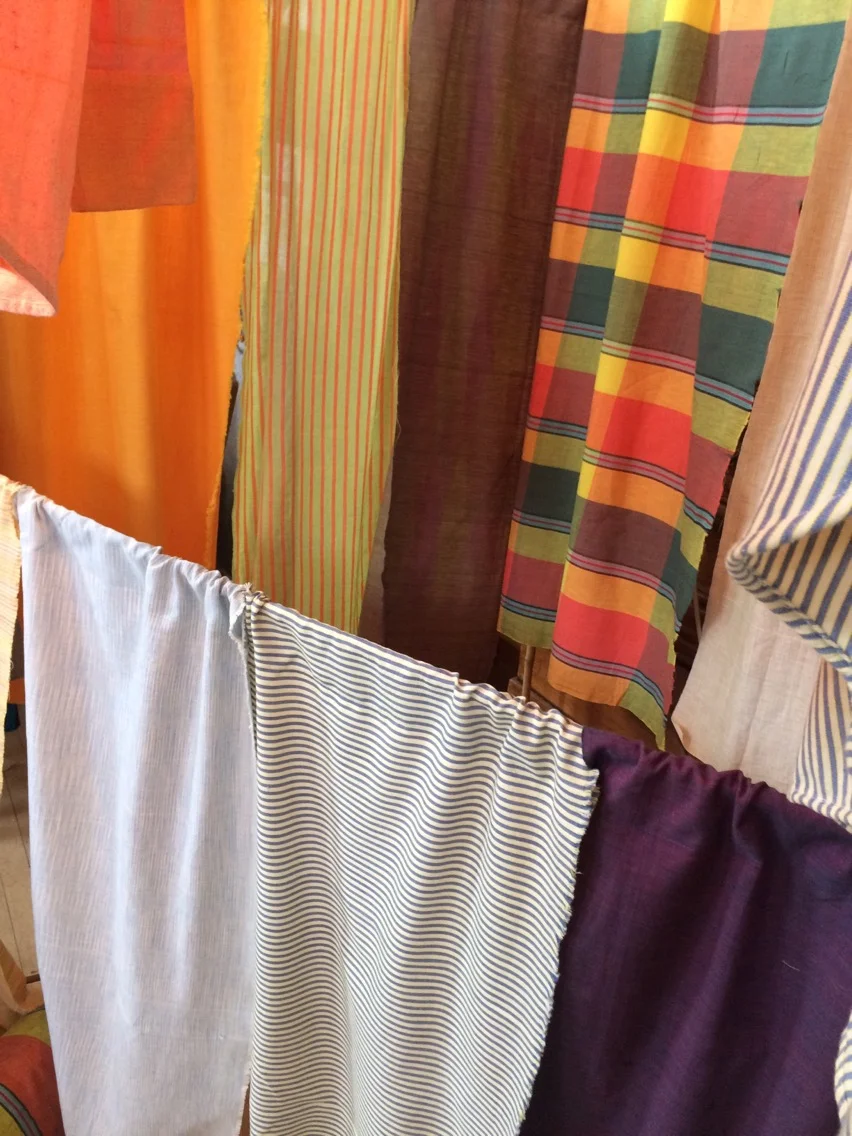
We're planning our next production run to start in mid December. We'll be making fabric orders and brand new designs. We're open for fabric orders now!

IMG_0009.JPG

I can't wait to get mixing new colors! 


IMG_0010.JPG
Heather MacKenzie-Chaplet